Can a Cheap TENS Unit Stimulate the Vagus Nerve?
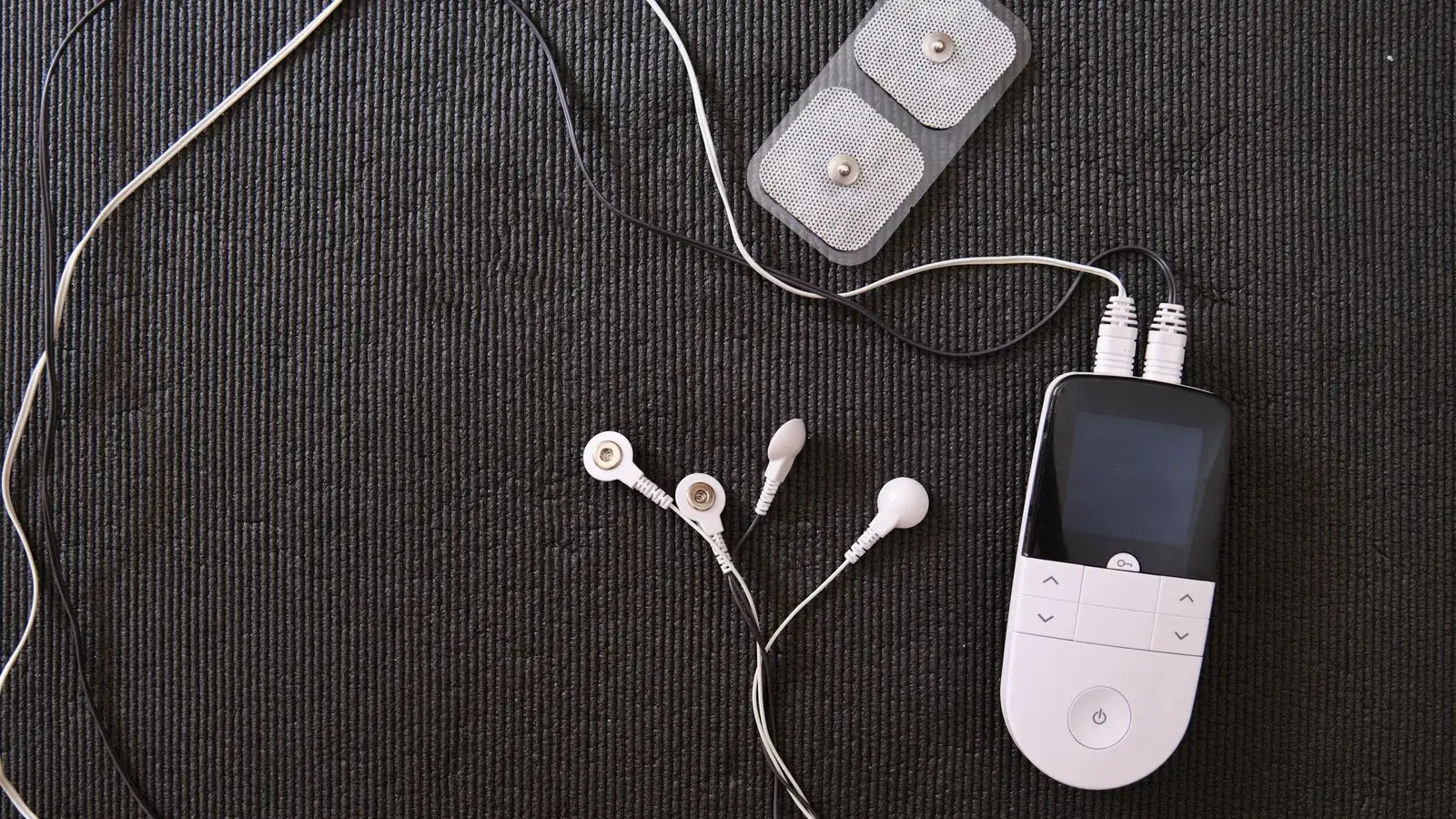
Short answer: sort of, and with real caveats. A basic TENS unit with an ear clip is the cheapest way to experiment with auricular vagus stimulation. Some early transcutaneous vagus nerve research even used modified TENS devices. But a generic TENS unit is not designed, calibrated, or cleared for this, so you are doing it off-label and by guesswork. Here is the honest breakdown.
Why the Idea Isn't Crazy
The auricular branch of the vagus nerve reaches part of the outer ear. Transcutaneous auricular VNS (taVNS) works by placing electrodes on that region and delivering mild current. Researchers have used adapted TENS units with ear clips to do exactly this in some studies. So the underlying concept, current to the right part of the ear, is the same thing the fancy devices do.
Why It's Still Guesswork
- Not designed for it: a TENS unit is built for muscle and nerve pain in the back, knees, and shoulders. It knows nothing about your ear.
- Dosing is a guess: the frequency, pulse width, and intensity that studies use are specific. A consumer twiddling dials is not replicating a protocol.
- Placement is fiddly: the exact spot on the ear matters, and an off-the-shelf clip may not land there reliably.
- No app or guardrails: purpose-built devices cap intensity and session length. A raw TENS unit lets you overdo it.
The Safety Part Is Not Optional
Every caution on our safety page applies here, and arguably more so because there are no built-in limits. Do not use a TENS unit near your head or ear if you have a pacemaker or implant, a heart rhythm disorder, a seizure disorder, carotid artery issues, or if you are pregnant. Never put electrodes across your throat or over both carotid areas. Start at the lowest intensity. Stop if you feel dizzy, faint, or notice any heart rhythm change. When in doubt, do not.
When the Budget Route Makes Sense
Reasonable if: you are healthy, curious, on a tight budget, and you treat it as a low-stakes experiment while keeping the intensity gentle.
Not worth it if: you have any of the contraindications, you want consistent results, or you would rather not fiddle with placement and settings.
TENS vs a Purpose-Built Device
A $30 TENS unit and a $449 Neuvana are not really the same purchase. The expensive devices buy you calibrated dosing, safer limits, an app, better ear or neck contact, and a return policy. Whether that is worth ten times the price depends on you. If you try the TENS route and feel nothing, that does not prove vagus stimulation fails, only that a blunt tool used by guesswork did not do much. And remember the real benchmark: the free breathing methods outperform all of this on evidence.
If You Want to Try It
Look for a small TENS unit with adjustable intensity and an ear-clip electrode. Read the manual, start gentle, and keep sessions short. Confirm the current price and specs on the listing before buying.
See TENS units on AmazonSee Also
- Full device guide, purpose-built options compared
- Safety and contraindications, read before any stimulation
- Free methods, better evidence, zero cost