HRV: The Practical Way to Track Vagal Tone
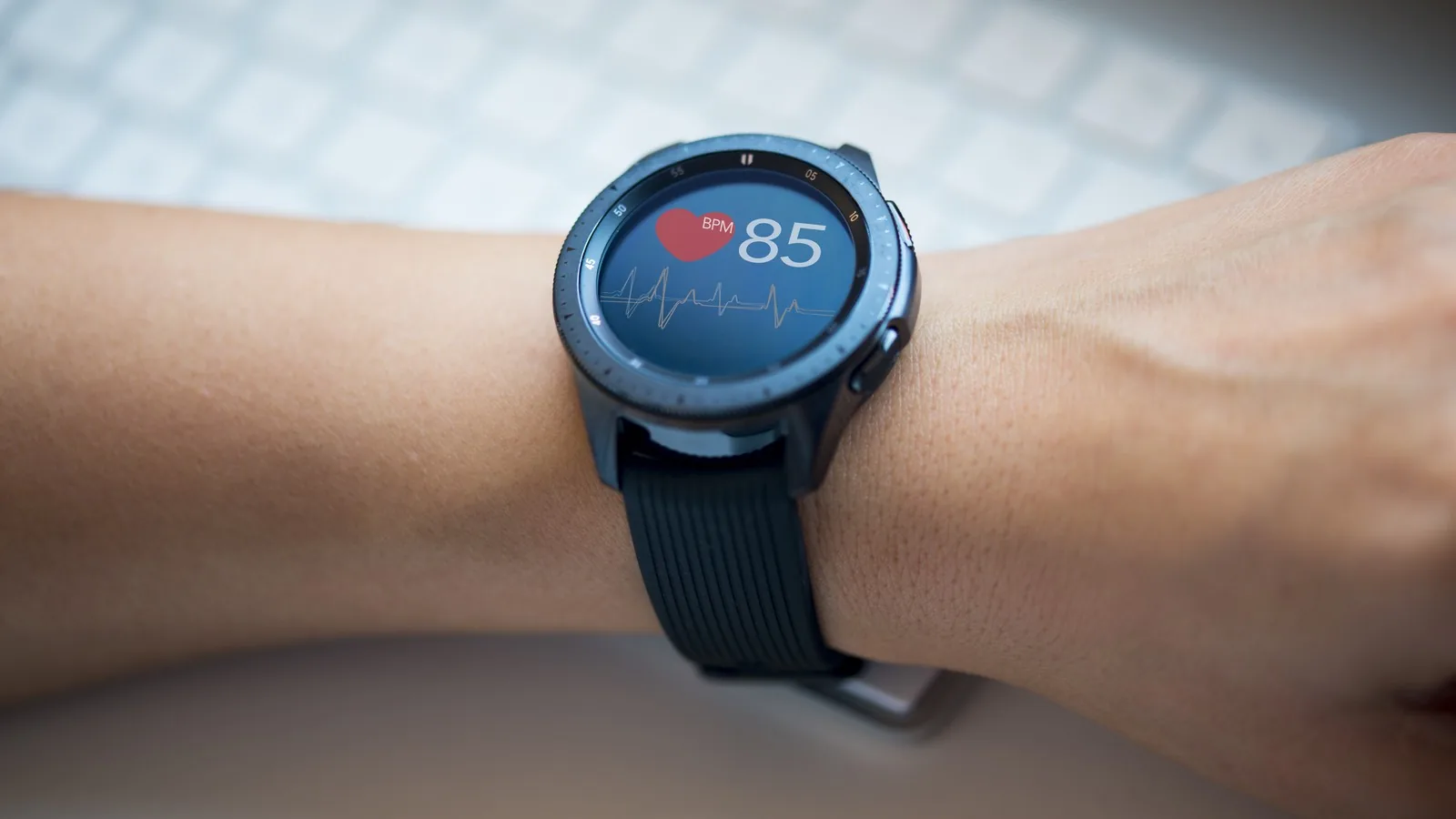
You cannot measure vagal tone directly. What you can measure is heart rate variability, the tiny differences in time between each heartbeat. Because the vagus nerve controls much of that beat-to-beat variation, HRV is the closest practical window into your vagal activity. If a method is working, this is where you would expect to see it.
What HRV Actually Is
A healthy heart does not beat like a metronome. The gaps between beats speed up and slow down constantly, partly driven by the vagus nerve tapping the brakes and releasing them. More of that variation generally means a more responsive parasympathetic system. Less variation is linked with stress, fatigue, and poorer recovery. That is why higher HRV is usually the goal.
The One Number That Matters: RMSSD
HRV has many metrics, and it is easy to drown in them. For vagal tone, the one to watch is RMSSD (root mean square of successive differences). It is the metric most closely tied to vagal activity, and nearly every wearable and free app can estimate it. Some apps show a scaled "HRV score" built on RMSSD instead of the raw number. Either is fine, as long as you stay consistent with one source.
Watch: RMSSD, or your app's HRV score based on it.
Ignore for now: the alphabet soup of LF, HF, SDNN, and ratios. They matter in research, not for your morning check-in.
How to Measure It So the Number Means Something
HRV is extremely sensitive to conditions. Measure it the same way every time or you are just tracking noise.
- Same time daily: first thing in the morning, before coffee, before your phone.
- Same position: lying down or seated, whichever you pick, stick with it.
- Same length: a one to three minute reading, or an overnight average from a wearable.
- Same device: never compare a chest strap number to a wrist number to a finger-camera app. They read differently.
A chest strap paired with a free app is the most accurate consumer option. A good wrist wearable is more convenient and fine for tracking trends. A phone-camera app is the cheapest entry point and okay for spotting direction, not precision.
Read the Trend, Not the Day
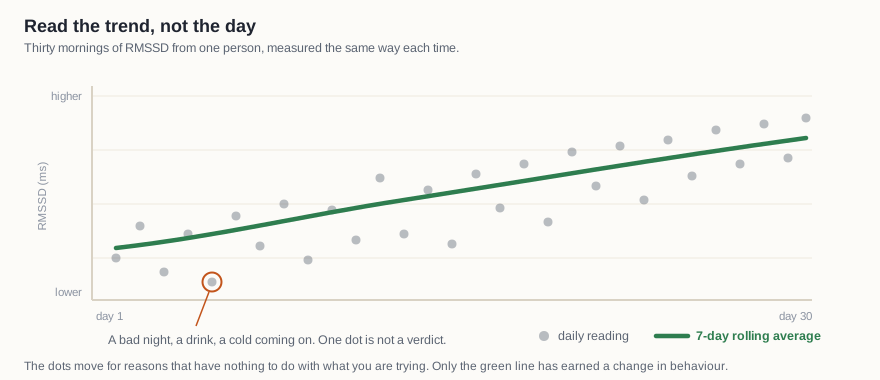
This is the mistake almost everyone makes. Daily HRV swings wildly based on sleep, alcohol, stress, illness, even the room temperature. A single low morning means nothing. What matters is the direction over weeks. If your rolling weekly average of resting RMSSD is drifting up over a month or two of consistent breathing practice, that is a reasonable sign your recovery is improving. One bad Tuesday is just a bad Tuesday.
An Honest Caveat
HRV is a useful signal, not a verdict on your health. It is influenced by age, genetics, fitness, and dozens of daily factors that have nothing to do with your vagus nerve. Chasing the number can also backfire, turning a calming practice into a source of anxiety. Use it as a loose compass. If breathing makes you feel calmer and sleep better, that matters even on days the number disagrees.
It is also worth knowing that research on device-based vagus stimulation and HRV is genuinely mixed. Some studies find a bump in certain HRV measures, others find no change in RMSSD at all. That inconsistency is one reason we are cautious about consumer stimulator claims. The evidence page lays this out.
Using HRV to Test What Works for You
The best use of HRV is as your own experiment. Try the free breathing protocol for two weeks and watch your trend. If you later try a device, keep measuring the same way and see whether it adds anything the breathing did not. You become the study, and you stop having to trust anyone's marketing.