Pulsetto vs Neuvana Xen: The Honest Head-to-Head
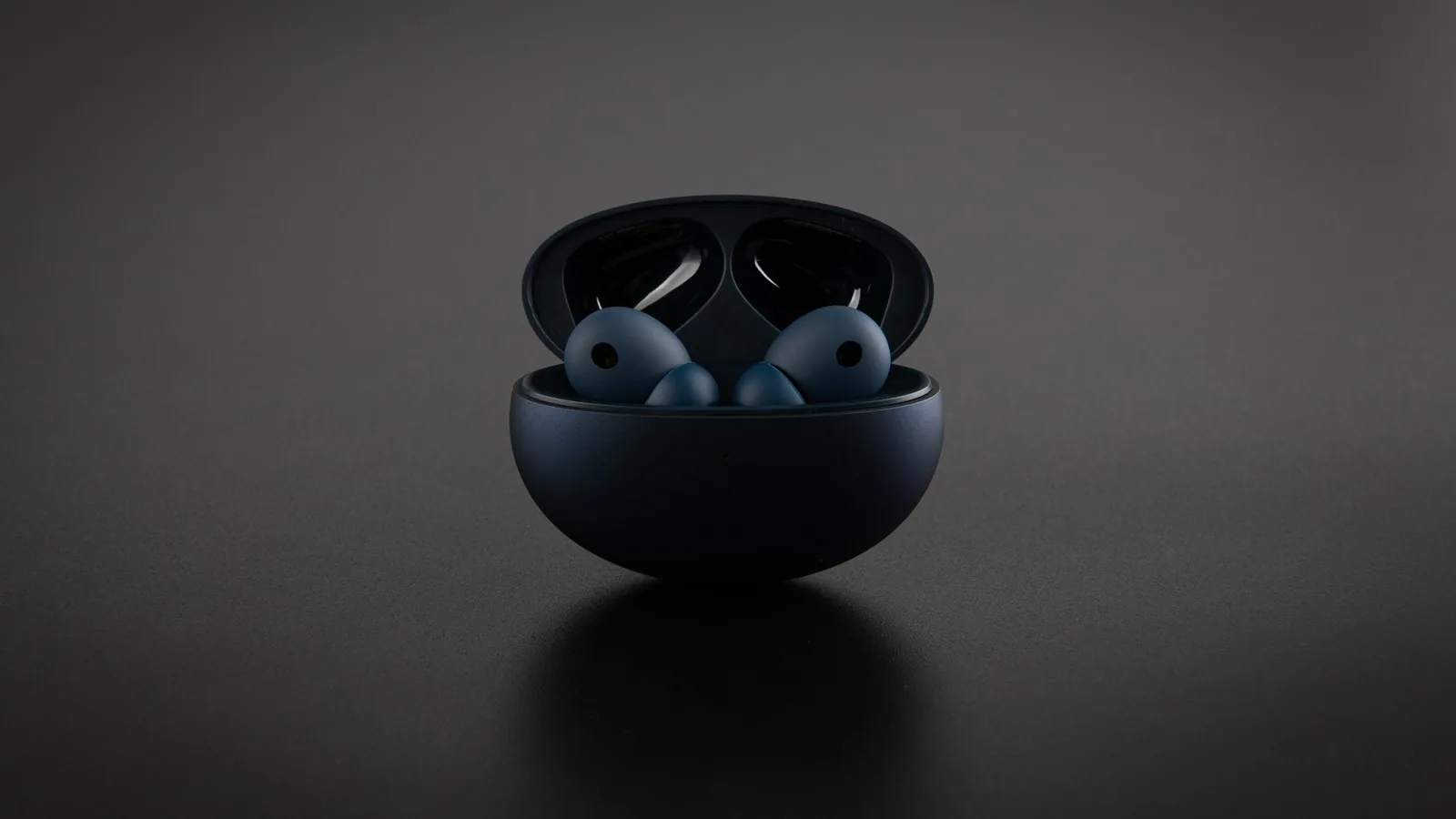
These are the two consumer vagus devices people compare most, and they take opposite approaches. Pulsetto goes around your neck. Neuvana goes in your ears and syncs to your music. Before the details, the honest frame: both are wellness devices with limited independent evidence for the stress and sleep claims. The free breathing methods have better proof than either. With that said, here is how they stack up.
Pick Pulsetto if: you want a hands-free neck device, a big guided-session app, and a friendlier return policy.
Pick Neuvana Xen if: you want an ear device you can pair with music and the higher fixed price does not put you off.
Pick neither yet if: you have not done a month of free breathing. Do that first.
At a Glance
| Pulsetto | Neuvana Xen | |
|---|---|---|
| Placement | Around the neck (both sides) | In the ears, via earbuds |
| Approx. price | Promotional, around $269 in August 2026 | Around $449 |
| Music sync | No | Yes, a signature feature |
| App | Guided sessions, premium upsell | Controls intensity and music |
| Returns | 30-day money-back | 30-day, no restocking fee |
| HSA/FSA | Varies, check | Yes |
| Warranty | Two years | Check current terms |
Placement: Neck vs Ear
Pulsetto targets the cervical branch of the vagus nerve at the neck, hands-free, so you can sit back during a session. Neuvana targets the auricular branch through the ear, which some people find more discreet and portable. Neither location has clearly beaten the other for stress and sleep in the consumer research. This comes down to comfort preference more than science. If you dislike things around your neck, Neuvana wins by default, and vice versa.
The Experience
Pulsetto is a lean-back device. You put it on, open the app, pick a program (stress, sleep, focus), and sit still for a few minutes. Neuvana is more active and sensory: you thread the earbuds in, and the stimulation pulses along with your music, which makes the session feel less clinical. If you already unwind with music, Neuvana folds neatly into that. If you want to close your eyes and do nothing, Pulsetto fits better.
Price and Returns
Neuvana lists around $449 and is HSA/FSA eligible. We used to warn about a 10% restocking fee here, which worked out to roughly $45 if you changed your mind. That is gone: as of our August 2026 check Neuvana's published policy is a plain 30-day return, no restocking fee, with return shipping on you or $12.50 for their prepaid label. Pulsetto was around $269 the day we checked, but its pricing is promotional and shifts constantly, and it also does 30 days money-back. So returns are now close to a wash, and the real gap is price: Pulsetto is usually the cheaper way to find out whether any of this does anything for you. Always confirm the live price on each site, since both run frequent promotions.
Evidence: A Tie at the Bottom
Here is the part the marketing skips. Neither device has strong independent evidence that it beats a sham for stress or sleep. Transcutaneous vagus stimulation research is real but mixed, with inconsistent effects on HRV and mostly small studies. Both companies lean on user satisfaction and mechanism, not robust trials. So do not choose based on which one sounds more "clinically proven." Choose on form factor, price, and return policy. The full picture is on the evidence page.
Safety Applies to Both
Both are electrical stimulators, so the same rules apply: not for people with pacemakers or implants, heart rhythm disorders, seizure disorders, carotid issues, or pregnancy without a doctor's approval. Read the safety page before buying either.
Bottom Line
This is a comfort-and-logistics decision dressed up as a science decision. Pulsetto for a hands-free neck experience at a lower price. Neuvana for an ear device tied to your music. But the best-value move for almost everyone is still the free one: a month of slow breathing tracked with HRV, before you spend $269 or $449 on either. If you want the wider field, see the full device guide.